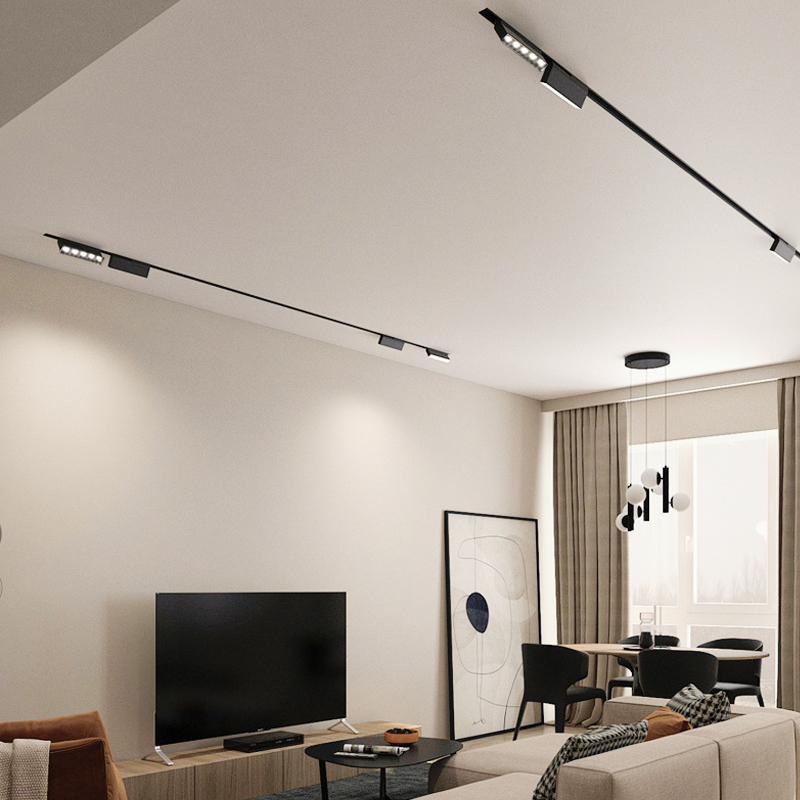
M25
Mains-direct track for homes and light-duty rooms. Smaller fixtures, smart WiFi or non-smart EMC variants.
Series detailsMagnetic track lighting · complete range
This site is built around magnetic track lighting: the M25 and M35 high-voltage tracks and the 48V family. That's where the deep guidance lives. Sampo also makes conventional track heads, downlights and non-magnetic track rails, and they're shown here so a buyer can source the rest of a project from the same factory.
The six magnetic series come first, each linked to its section. The thirteen lines after them each get a short introduction and a route to ask about them. Models, figures and terms for those lines are confirmed per project, so none are printed here.
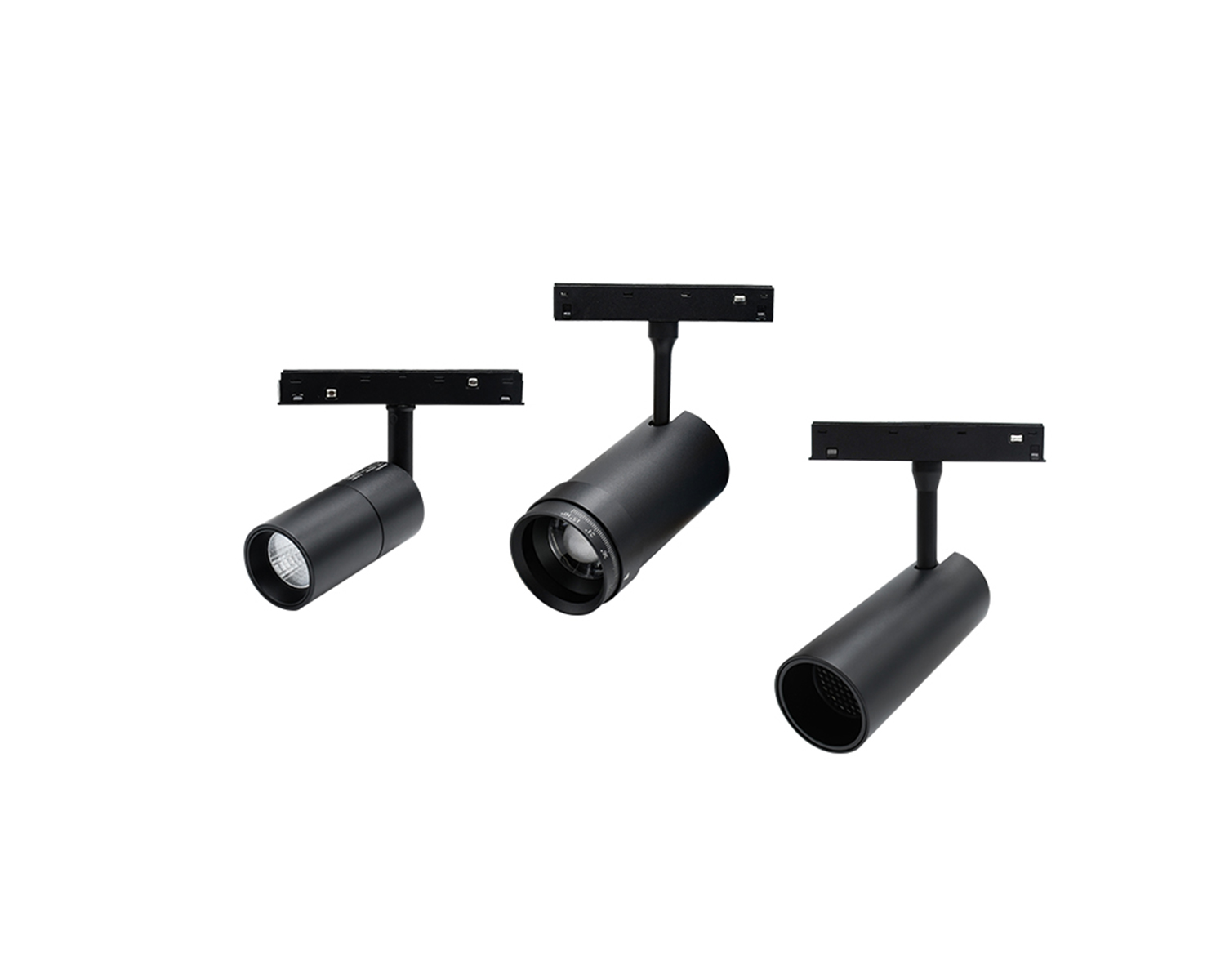
Magnetic track · the focus
M25 and M35 run on 95–260V with no external transformer; the 48V group covers the 20mm, 26mm ultra-thin, light-strip (belt) and semi-flexible tracks. Each card opens the section with the full detail. Smart control is covered on the smart magnetic track page, and it's conditional per fixture.
Mains-direct track for homes and light-duty rooms. Smaller fixtures, smart WiFi or non-smart EMC variants.
Series details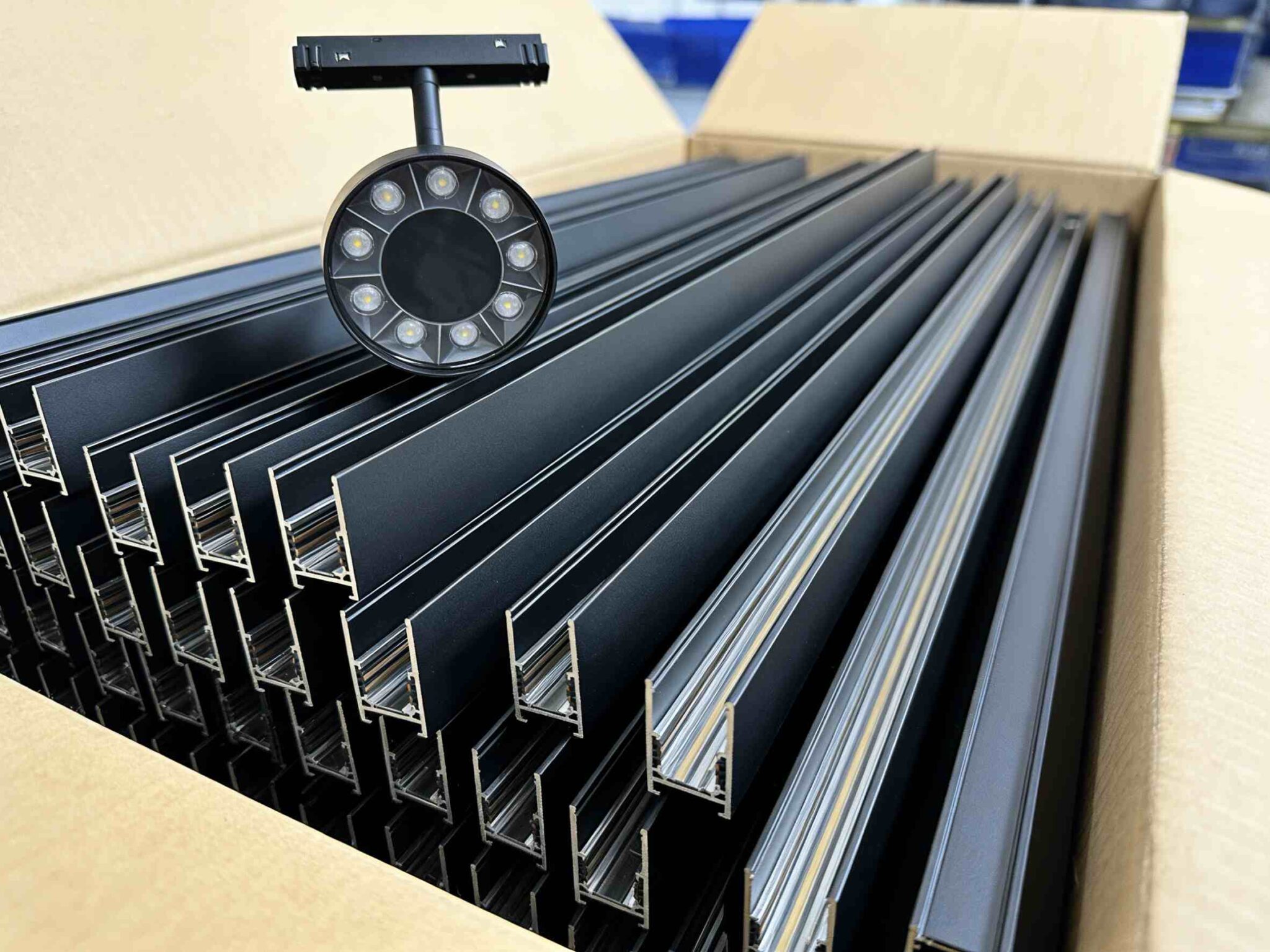
Mains-direct track for shops, museums and offices. Larger fixtures; the 4-wire smart build is common.
Series details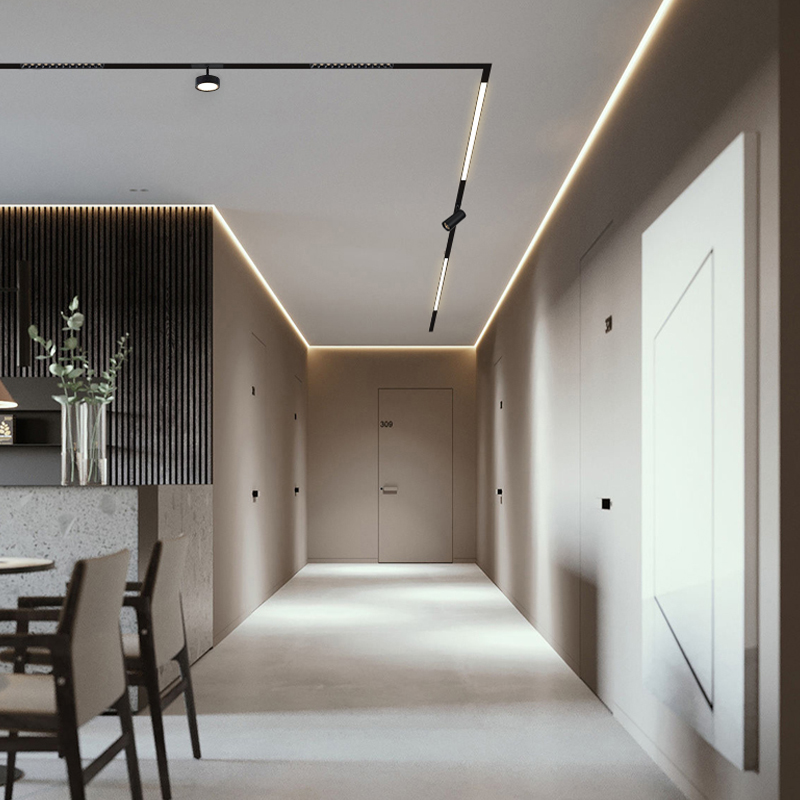
Low-voltage track with a regular profile. Lower touch risk, surface or recessed in a standard ceiling.
Series details
Slim recessed line with right-angle and rounded corners, for low ceilings and no-main-light schemes.
Series details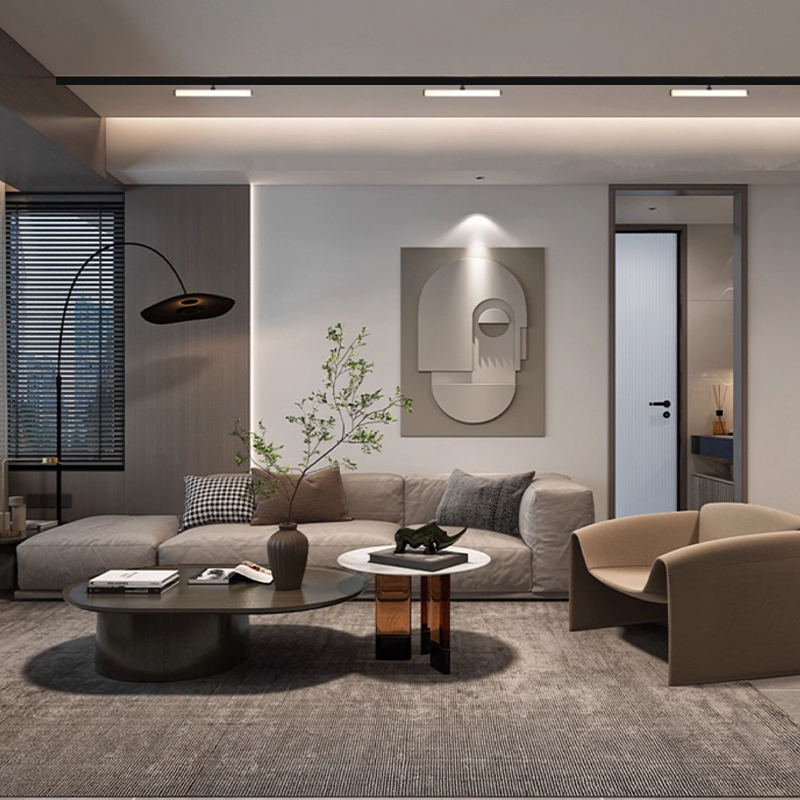
An ultra-thin belt system for continuous lines of light where the track itself reads as a glowing line.
Series details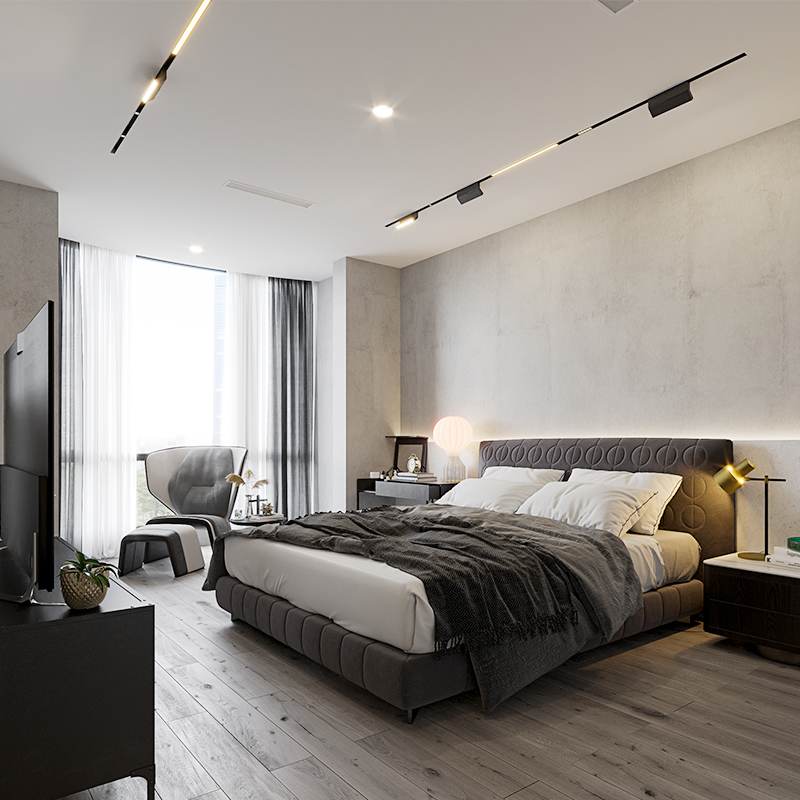
A semi-flexible 48V track for runs that need to follow a bend instead of a straight corner joint.
Series detailsNot sure which one fits? Run the two-question selector or compare them on the series index.
Also from the factory
Replaceable-lamp and integrated heads for standard, non-magnetic track. Each line is specified against your drawing; use the enquiry link on the card.
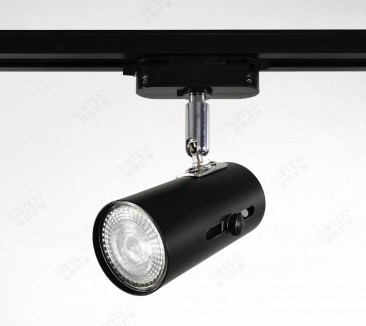
Replaceable-lamp track heads for standard GU10 lamps.
Enquire about GU10 track light heads & housings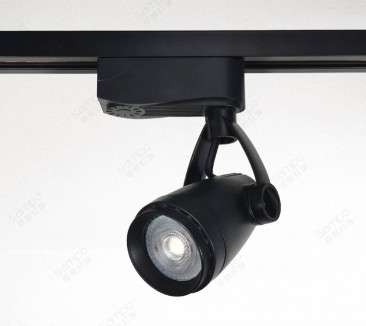
Replaceable-lamp track heads for MR16 lamps.
Enquire about MR16 track light heads & housings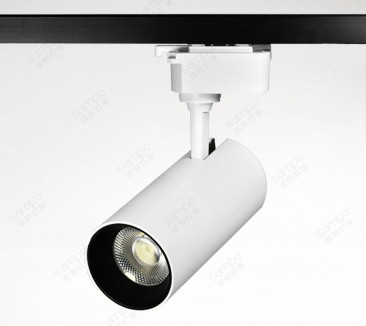
Integrated COB spotlights, including adjustable-focus and dimmable variants; we confirm the variant per model.
Enquire about COB track lights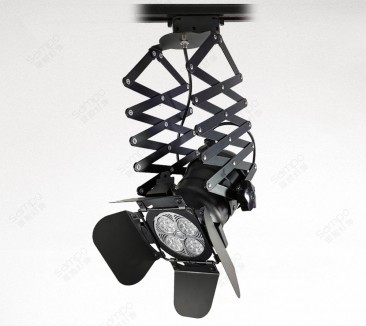
E27 lamp-based heads, including PAR20/PAR30 style and barn-door studio types.
Enquire about E27 track light headsAlso from the factory
Recessed and surface fittings for the ceiling areas the track doesn't cover. Each line is specified against your drawing; use the enquiry link on the card.
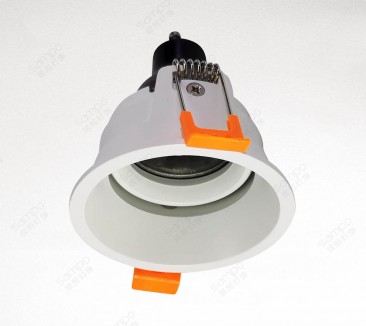
Recessed fittings and frames for GU10/MR16 lamps; aluminium, iron and plastic housings exist.
Enquire about GU10/MR16 downlights & frames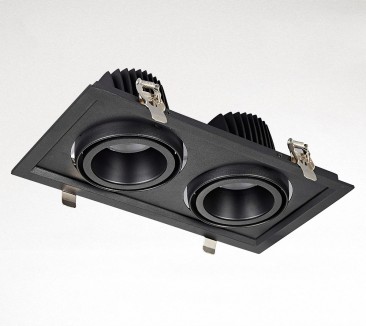
Integrated recessed COB downlights, including double-head, adjustable and anti-glare styles.
Enquire about COB downlights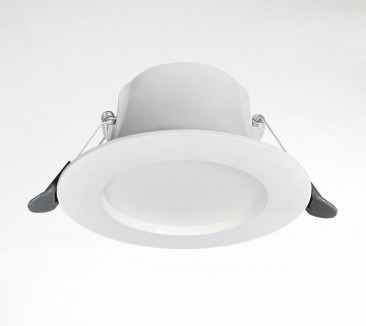
Integrated SMD/panel-style recessed downlights.
Enquire about SMD integrated downlights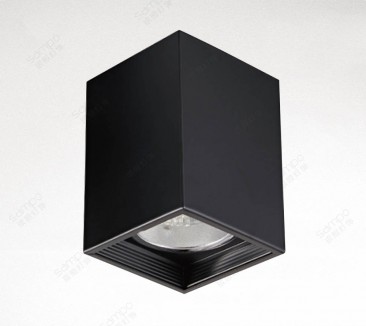
E27 lamp-based downlight fittings, recessed and surface-mounted cylinder types.
Enquire about E27 downlights & fittingsApp-controlled dimming and CCT downlights; availability and functions are conditional per model.
Enquire about Smart WiFi downlightsAlso from the factory
Conventional rail circuits for the heads above, with power feeds and connectors as system parts. Each line is specified against your drawing; use the enquiry link on the card.
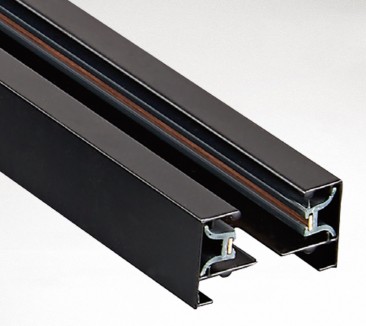
Basic non-magnetic rail circuits, with power feeds and connectors as system parts.
Enquire about 2-wire track rails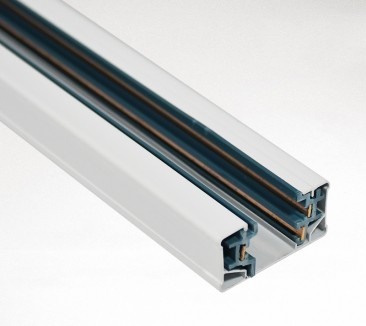
Non-magnetic rails with an additional circuit/earth arrangement; confirm the project wiring.
Enquire about 3-wire track rails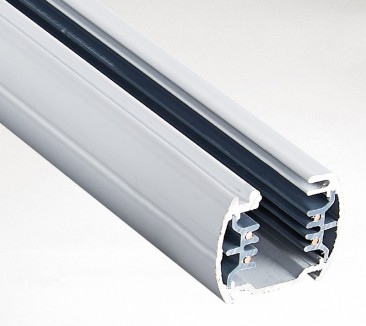
Multi-circuit non-magnetic rails for zoned switching.
Enquire about 4-wire track rails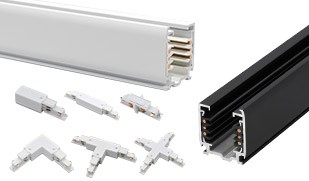
Higher-circuit-count non-magnetic rails for complex commercial switching.
Enquire about 6-wire track railsHow the range is quoted
The magnetic series pages carry the deep guidance on this site: slot, voltage, profile and fixture families. The thirteen display lines above are quoted and specified per project drawing, so the useful first step is to tell us where each type goes.
Next step
A plan or a phone photo of the ceiling, the rough run lengths and the voltage you prefer are enough to start. We reply with a suggested series, the profile and the fixture families that fit.